
What is SIC, and what interests and skills does it suit?
SIC learning concerns companies, markets and investment analysis: understanding information, forming a judgement and explaining its basis. It should not be reduced to a stock-trading game or return-generating exercise. Check current instructions for tasks and eligibility.
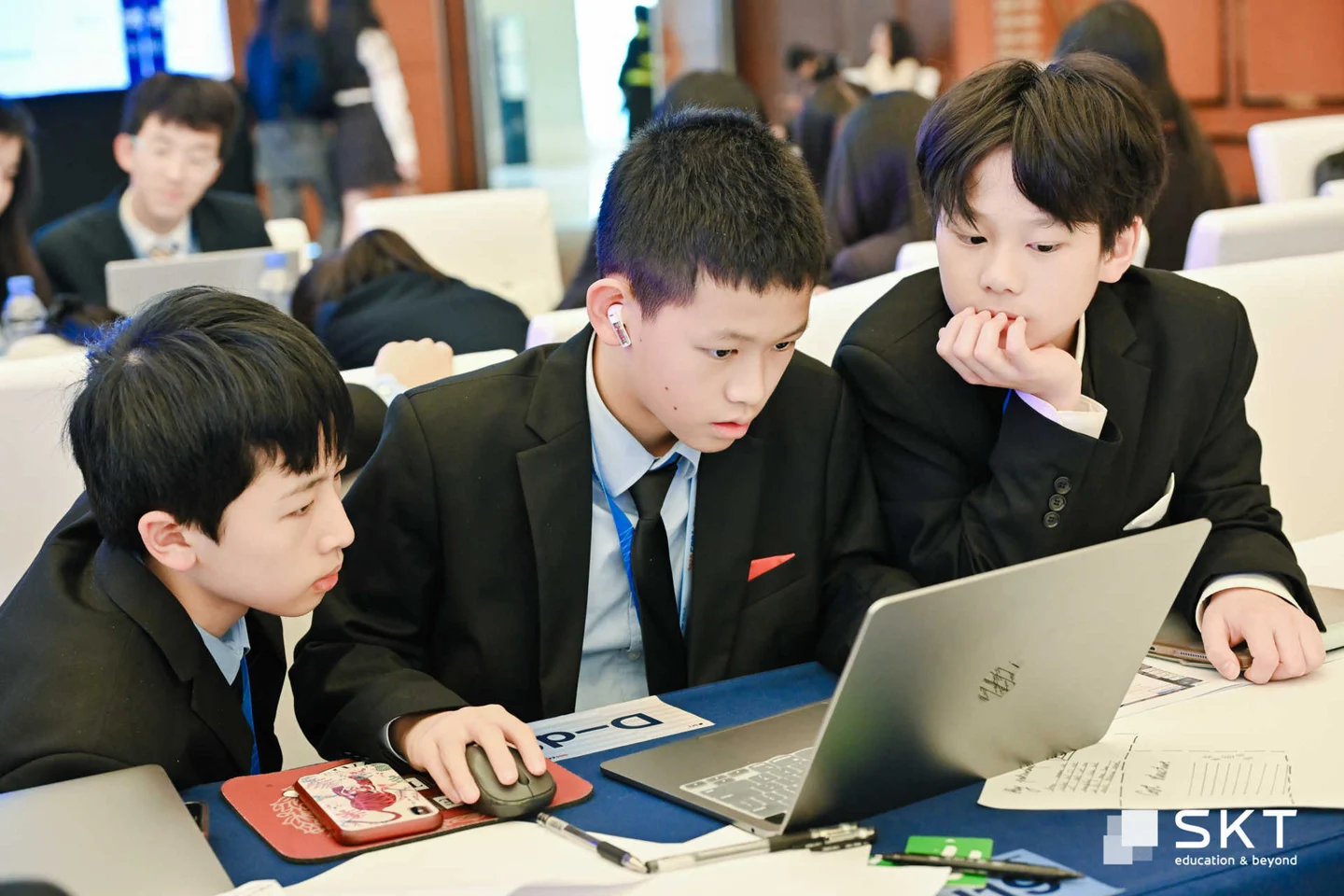
SIC learning overview; confirm current rules, fees and eligibility separately.
What does SIC involve?
SIC means Student Investment Challenge. Its introduction focuses on investment knowledge, research, teamwork and presentation. FINGY’s SIC materials also describe simulated trading and strategy work. This is a learning overview; consult the actual programme’s current documents for divisions and submissions.
View sources ↓What does it sell, who buys it, and where do revenue and costs come from?
What the evidence shows
- The metric and comparison scope
- The source and date
What still needs checking
- Conditions the judgement depends on
- Information that remains uncertain
Explain the reasoning and what new information would change your view.
A company-research method, not a security recommendation or return forecast.
Look beyond an interest in numbers
Curiosity about companies, industries or data is a starting point. Notice whether students check sources, separate facts from assumptions and explain uncertainty. A simulated return alone does not demonstrate research quality. Discussing why a judgement was made and when it should change also matters.
A beginner’s exercise
FINGY suggests choosing a familiar company and explaining its product, customers, revenue and costs, then identifying one influence on its business. Record sources, dates and unfamiliar terms. This explores research interests without real-money trading or recommending a security.
Match tasks with available time
A team report needs shared reading, analysis, discussion and writing. Individual work also requires decision records. Confirm grade eligibility, format, platform, language, assessment and dates. Past returns, progression rates or vague admissions claims cannot replace those checks.
What to examine when researching a company
FINGY learning guidance
| Research question | What to watch for |
|---|---|
| How does it earn revenue? | Explain customers, products and revenue sources rather than repeating a brand description. |
| What do the figures mean? | Record source, date, units and comparison scope; distinguish facts from forecasts. |
| Where might the judgement fail? | State assumptions and the new information that would change the conclusion. |
| Can someone check it? | Keep sources and reasoning, not only the conclusion. |
Move beyond liking a brand
Practice example: two students say a company is growing quickly. One cites sales; the other points to social-media attention. They are describing different things. Check the metric and period, then consider costs, competition and demand. This is an analysis exercise, not a security recommendation or return forecast. For a beginner, willingness to revise a judgement matters more than guessing a price movement.
Are strong maths skills enough?
Numerical ability helps, but reading sources, understanding a company, checking assumptions and communicating reasoning also matter. Try a public company source and identify which steps need support.
Sources
- SIC & GIC: SIC programme introduction ↗
- FINGY International Competitions brochure, SIC section, pp. 14–15; background on task types, not current-season rules.
Read next
Choosing a first business competition: start with the student
Consider experience, interests, preparation time and learning goals before choosing a first competition.
Read article →Choosing business competitions in Grades 9–12
Plan around interests, readiness and the school calendar. Grade level alone cannot determine the right event.
Read article →Preparing for a first business competition
Break unfamiliar work into understanding the task, sharing responsibilities, developing a proposal and practising communication.
Read article →