Identify a problem
Find a worthwhile problem in a real setting and define what needs to improve.

Founder Studio
Research users, make prototypes, test and improve ideas that begin with a real problem.
Explore Founder Studio ↓
Programme in preparation; enquire about future arrangements. For students in Grade 8 and above with suitable readiness, projects centre on real problems, real users, real decisions, real feedback and real outcomes.
Find a problem worth solving, turn assumptions into a proposal and use real feedback to test it.
Find a worthwhile problem in a real setting and define what needs to improve.
Understand users’ needs, the situations in which a solution would be used, and the conditions and constraints it must address.
Turn an idea into an initial proposal or prototype that can be presented, discussed and tested.
Gather real feedback to assess whether the solution addresses the original problem.
Use test results to revise the solution, returning to research or prototyping where necessary.
Explain the problem, research evidence, proposed solution and its value so that others can understand the thinking behind the project.
Real feedback shapes the next iteration.
After testing and presenting, return to research, refine the prototype and test again.
Find a worthwhile problem in a real setting and define what needs to improve.
Understand users’ needs, the situations in which a solution would be used, and the conditions and constraints it must address.
Turn an idea into an initial proposal or prototype that can be presented, discussed and tested.
Gather real feedback to assess whether the solution addresses the original problem.
Use test results to revise the solution, returning to research or prototyping where necessary.
Explain the problem, research evidence, proposed solution and its value so that others can understand the thinking behind the project.
AI can support research, analysis and making, improving the efficiency of exploration and iteration. Students remain responsible for choosing the problem, explaining their approach, making key judgements and decisions, and owning the outcome.
Explore how AI changes products, industries and decisions, and apply it to real problems.
Start with a problem and its users, develop a business proposal, and test and explain its value.
Research a real business, shop, user group or industry problem and propose an evidence-based solution.
Develop an interest that emerged in a course or competition through sustained research, making and improvement.
These HFLC competition submissions show students researching users, developing prototype concepts and explaining business decisions. They also raise questions worth exploring after a competition.
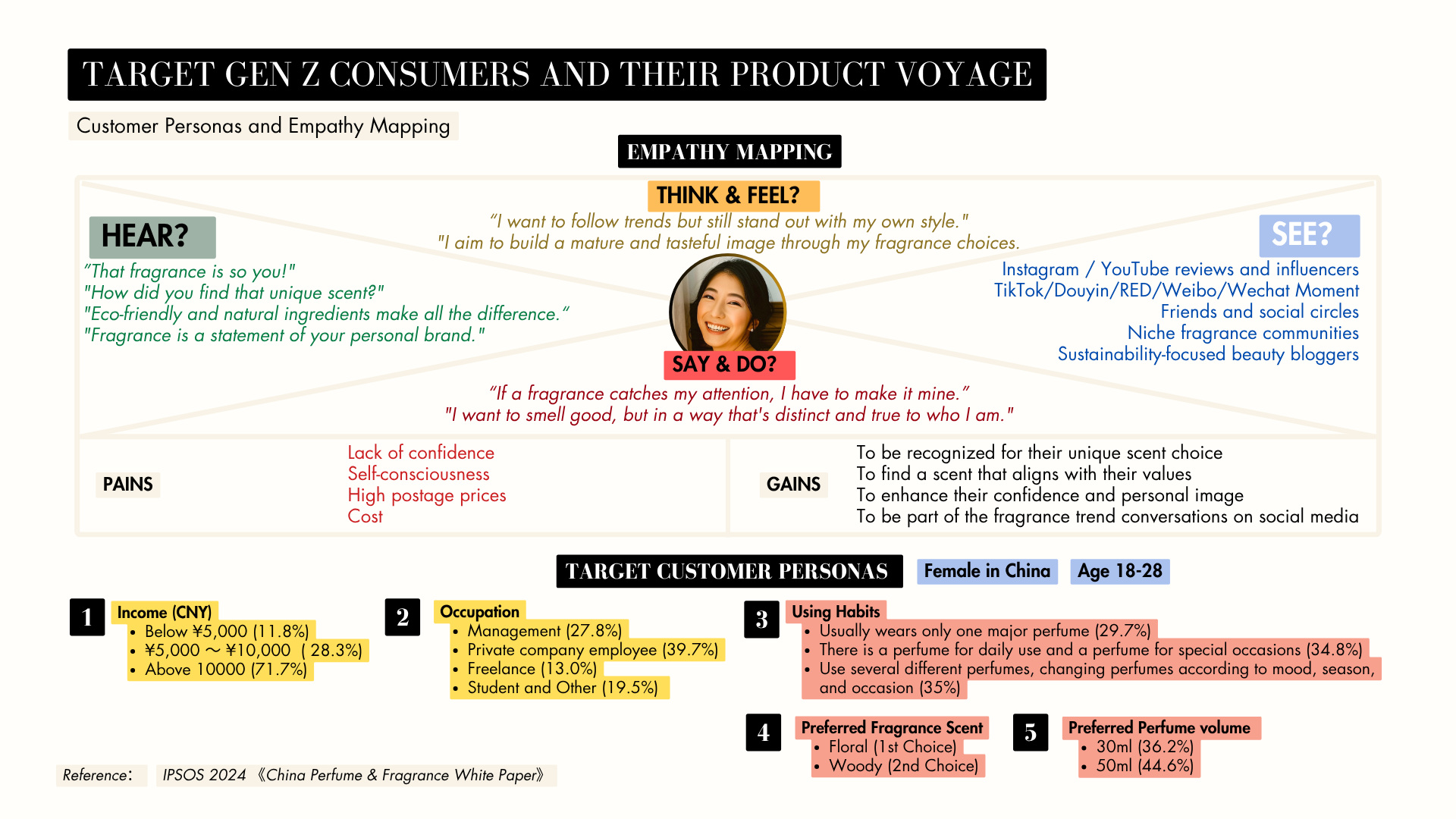
Organising a product proposal around users and their experiences.
Read the story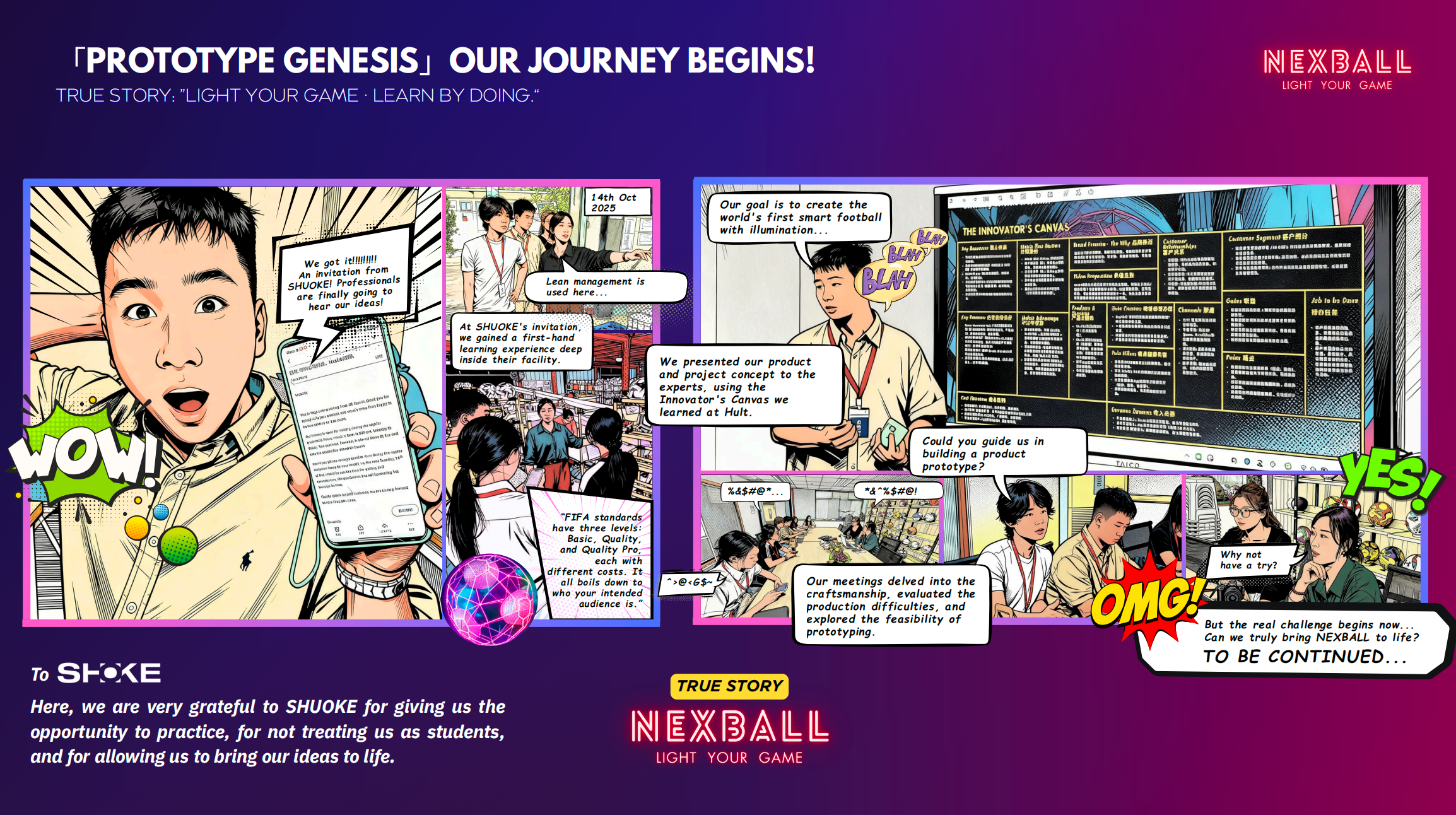
Turning a football idea into design questions and exploring feasibility with a business.
Read the story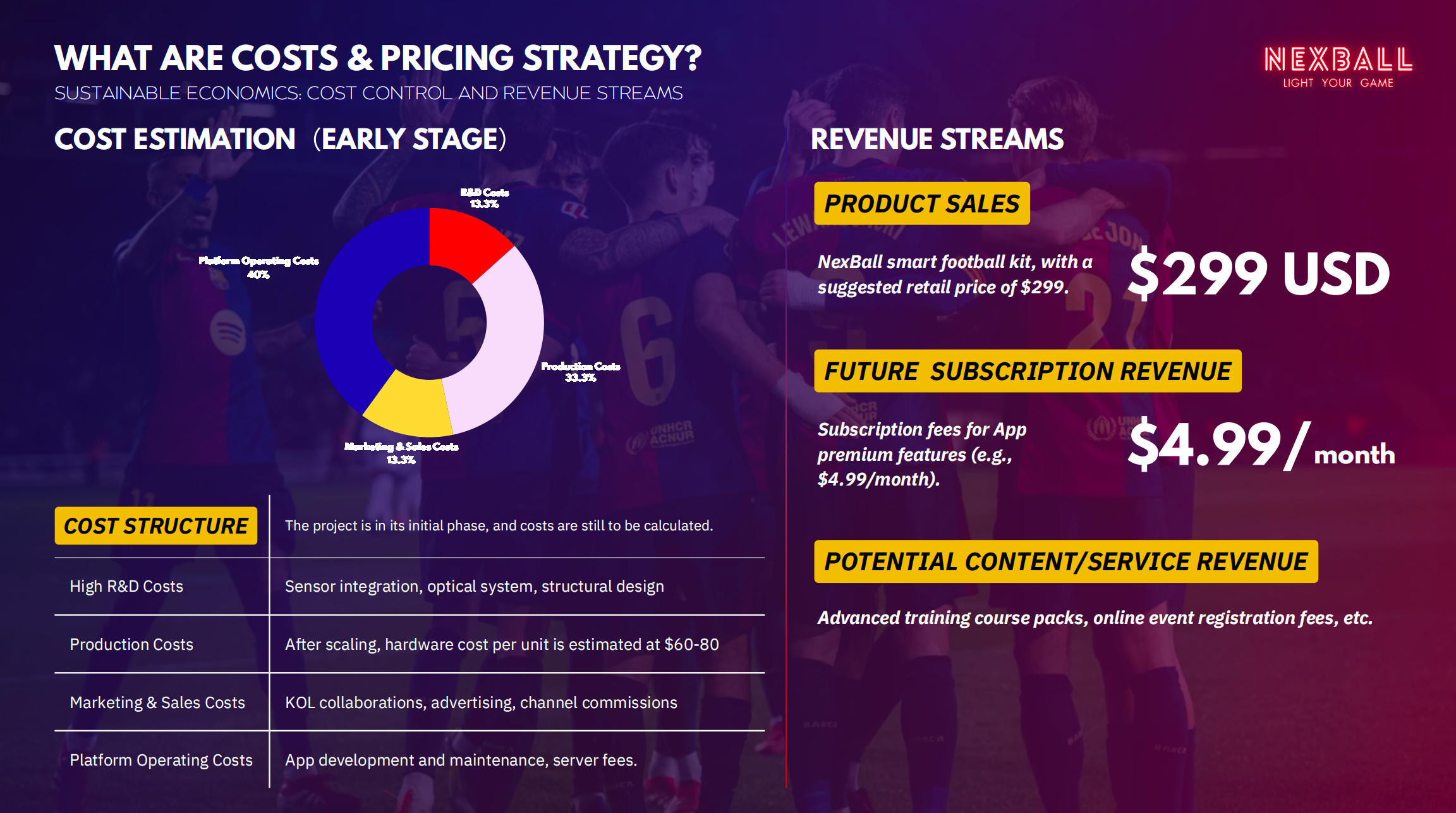
Bringing cost, price and revenue assumptions into one proposal.
Read the storyFounder Studio offers students a way to apply their learning and competition experience to practical problems through further research and project work. Business Pathway can help connect those projects with their interests and future learning.