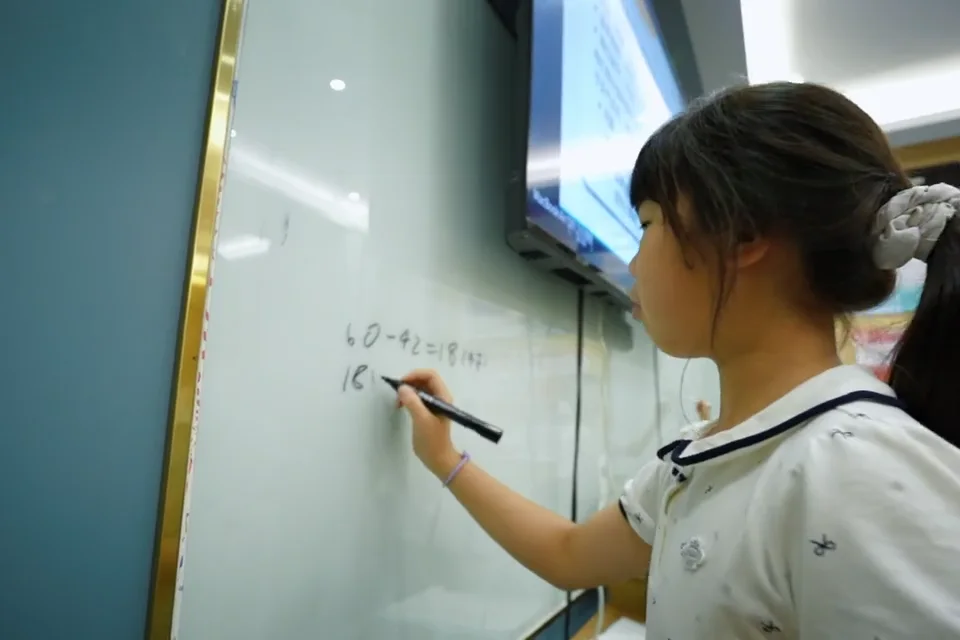
Think like a business owner
Explore costs, prices and returns to understand how a business works and practise making informed choices.

FINGY / Youth Business Education
Youth Business Education for the AI Age
Business education before university.
Develop judgement, agency and creativity
through real challenges, competition and creation.
AI-Native × Human-Led × Real Business
Explore costs, prices and returns to understand how a business works and practise making informed choices.

Move from a problem, research and a proposal to a prototype, pitch and revision.
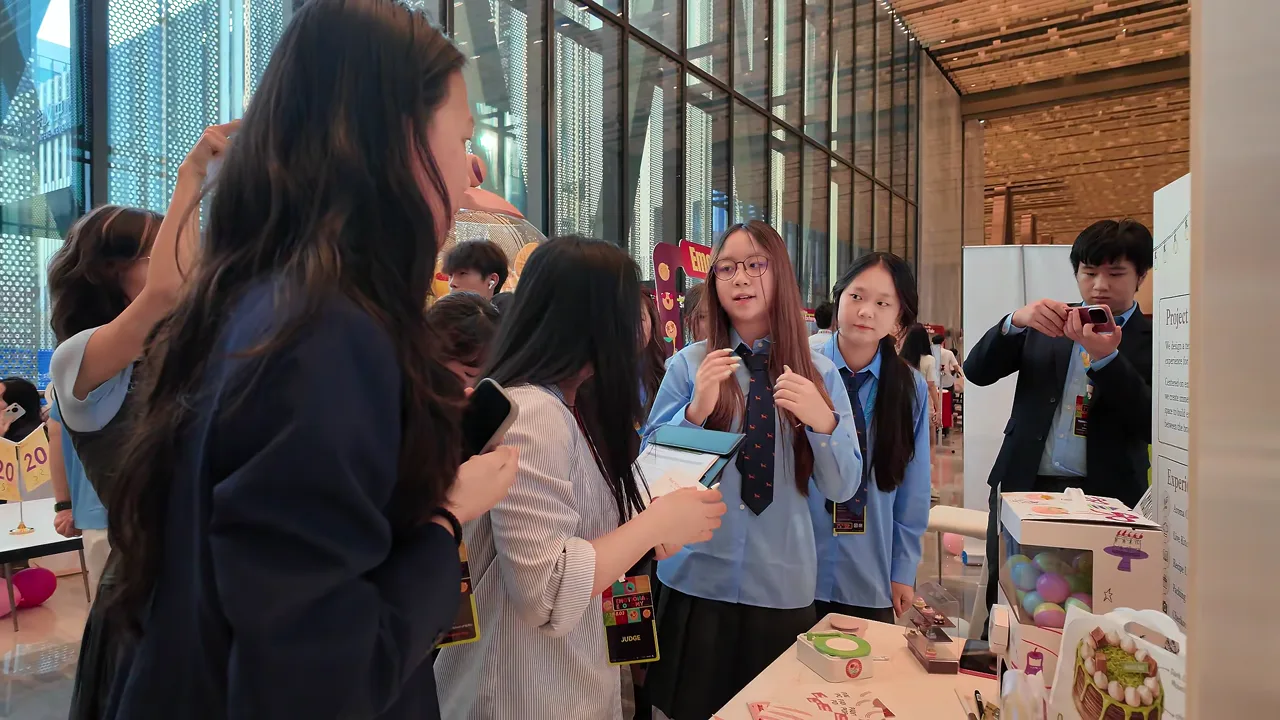
Decide where to put money, time and team effort when resources are limited.
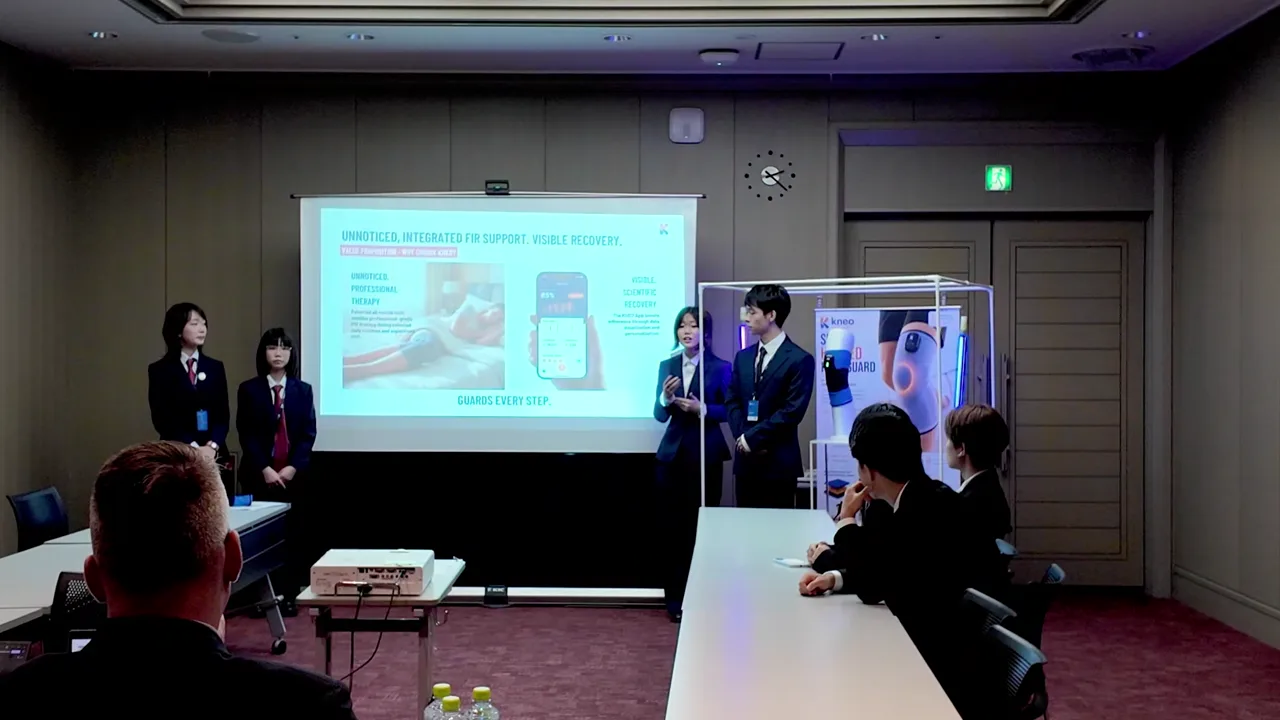
Make judgements amid time pressure, teamwork and uncertainty.
Swipe to see more activities →
Explore student work and reflectionsLearn & Compete
Build business understanding and judgement through courses, simulations, industry challenges and international competitions.
Explore Junior Business SchoolBuild
Start with a real problem, research users and make prototypes. Develop ideas into work through feedback and revision.
In preparation · Enquire about future arrangements
Explore Founder StudioNavigate
Decide what is worth pursuing over the next 2–4 years, connecting interests, courses, competitions, projects and university goals.
Explore Business PathwayIt is not simply that courses get harder. The problems, choices and responsibilities become more real.
I begin to understand the business world.
I begin to make decisions of my own.
I begin to test myself under pressure.
I begin to create something of my own.
I begin to see what is worth sustained effort.

From following others to facing setbacks, reflecting and taking responsibility: one long-term student’s growth began before her third national final ended in a championship.
Read her story →From competition choices and preparation to teamwork and real projects, explore learning and growth through business practice.
Read the journal →Consider experience, interests, preparation time and learning goals before choosing a first competition.
Read article →Break unfamiliar work into understanding the task, sharing responsibilities, developing a proposal and practising communication.
Read article →Look beyond divided tasks to how students explain choices, work through differences and improve their work together.
Read article →