Successor Project
Grades 3–5
Take over a struggling café, identify problems, make choices and propose improvements.
Explore the Successor Project
Junior Business School
Learn business through courses, simulations, industry challenges and international competitions.
Explore learning programmes ↓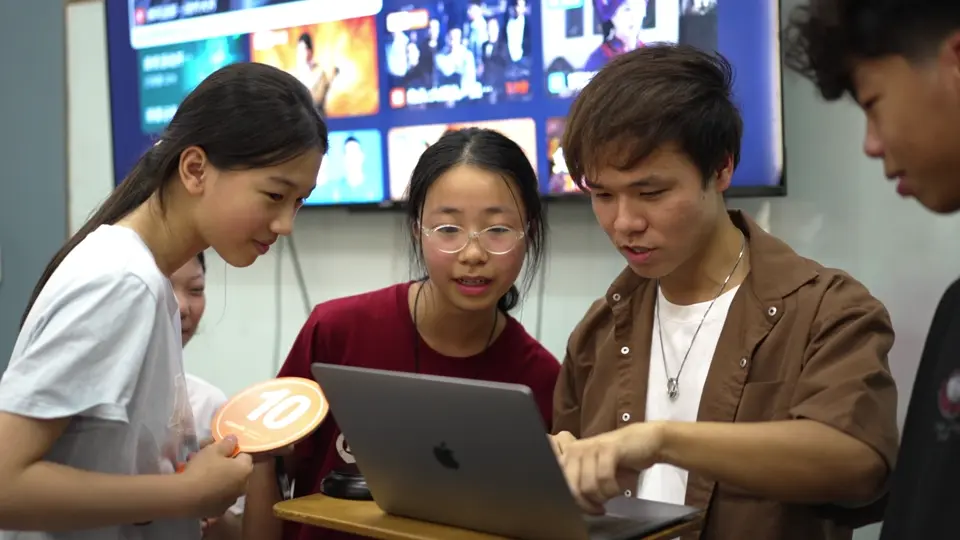
Who is the customer? What will you offer, why would someone pay, and what resources do you need?
Develop a view of the customer, product and resources. Hear the team’s reasoning, then compare possible operating decisions.
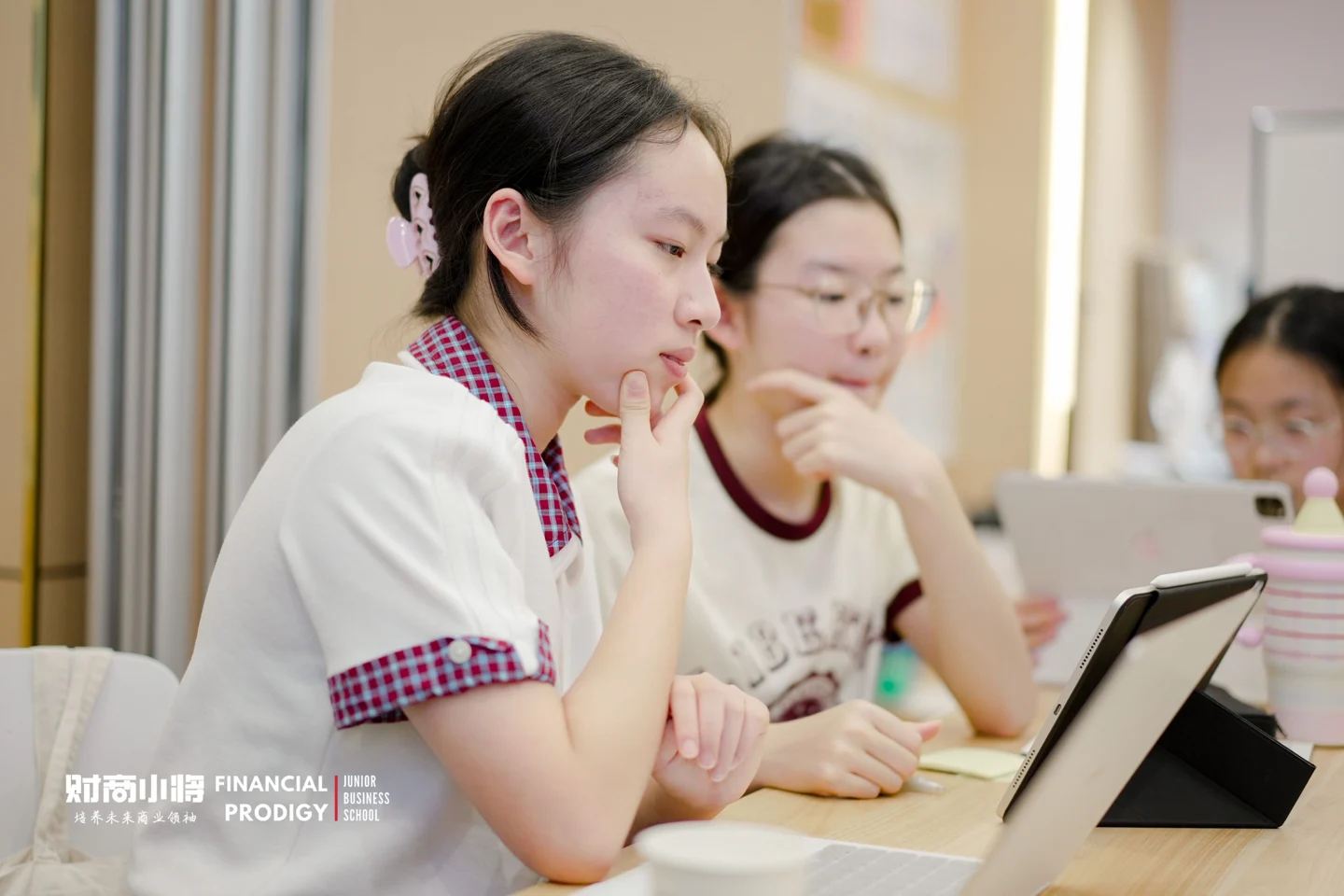
How do you rethink a decision when customers do not buy, the budget is tight or the team disagrees?
Make disagreements and uncertainties discussable: what still needs checking, and what should change first?
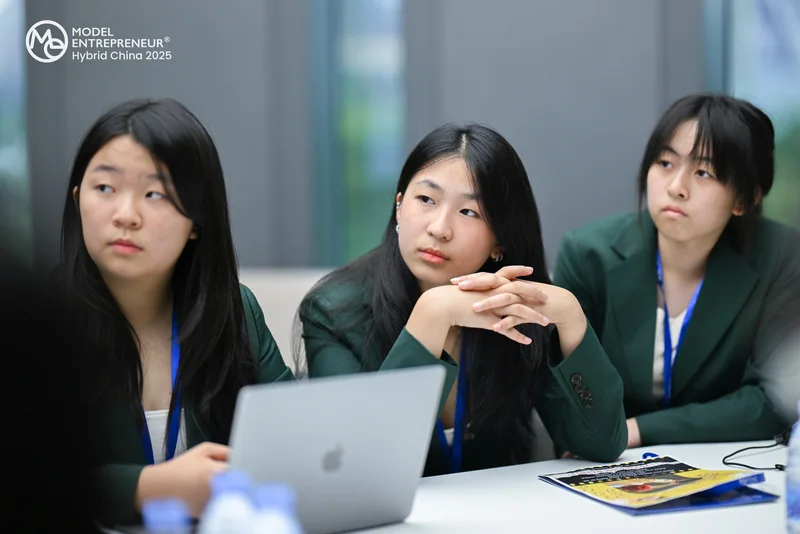
How can you improve a product, work more effectively, develop an advantage and explain the proposal?
Connect the problem, evidence and value so others can understand the reasoning.
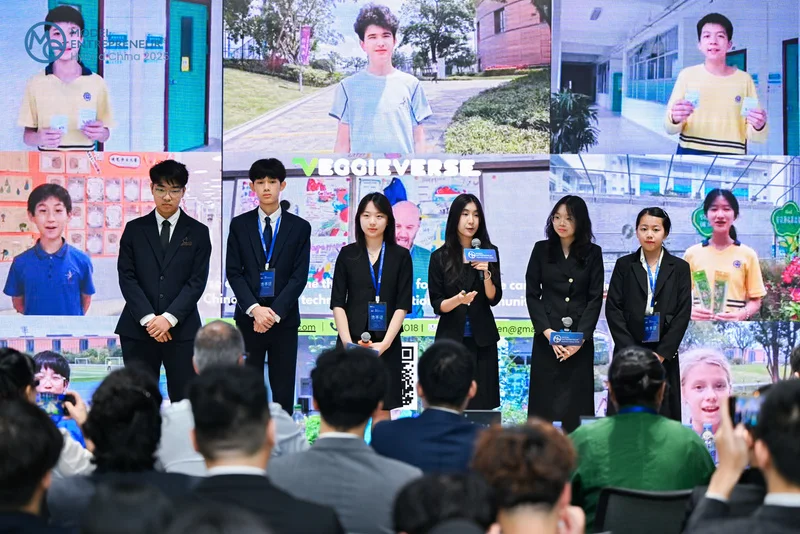
Business often becomes most interesting when the original plan stops working.
Grades 3–5
Take over a struggling café, identify problems, make choices and propose improvements.
Explore the Successor ProjectGrades 3–6
A long-term pathway across 12 industries and 12 challenges over 2–3 years. Enrol in themes currently available.
Ask about current challengesGrade 6+
Create a virtual brand, make decisions in business simulations, observe outcomes and present the brand.
See course modules and formatGrades are an initial guide. Discuss suitable arrangements with our course advisers.
International business competitions are an important part of practical learning at Junior Business School. Choose a suitable challenge based on interests, experience and readiness.
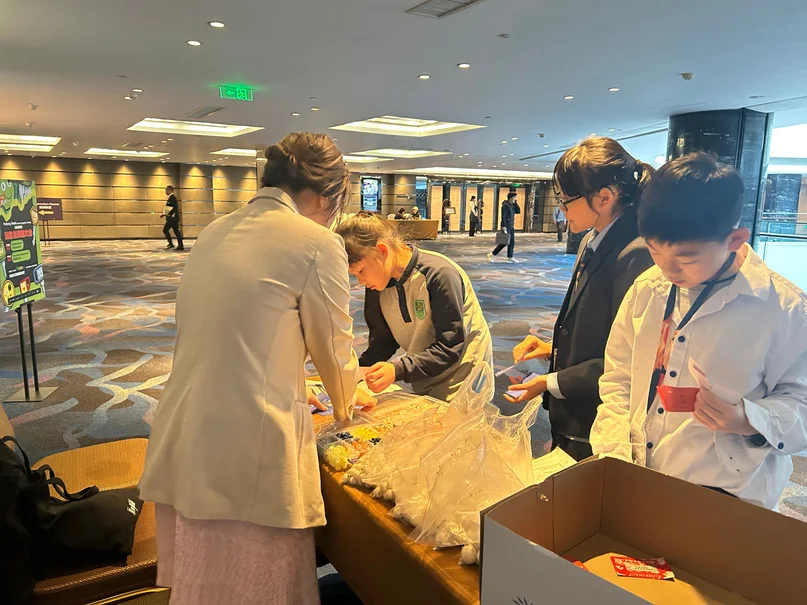
ASDAN Business Simulation / BPA · Business judgement, management, teamwork, case analysis, communication and decision-making.
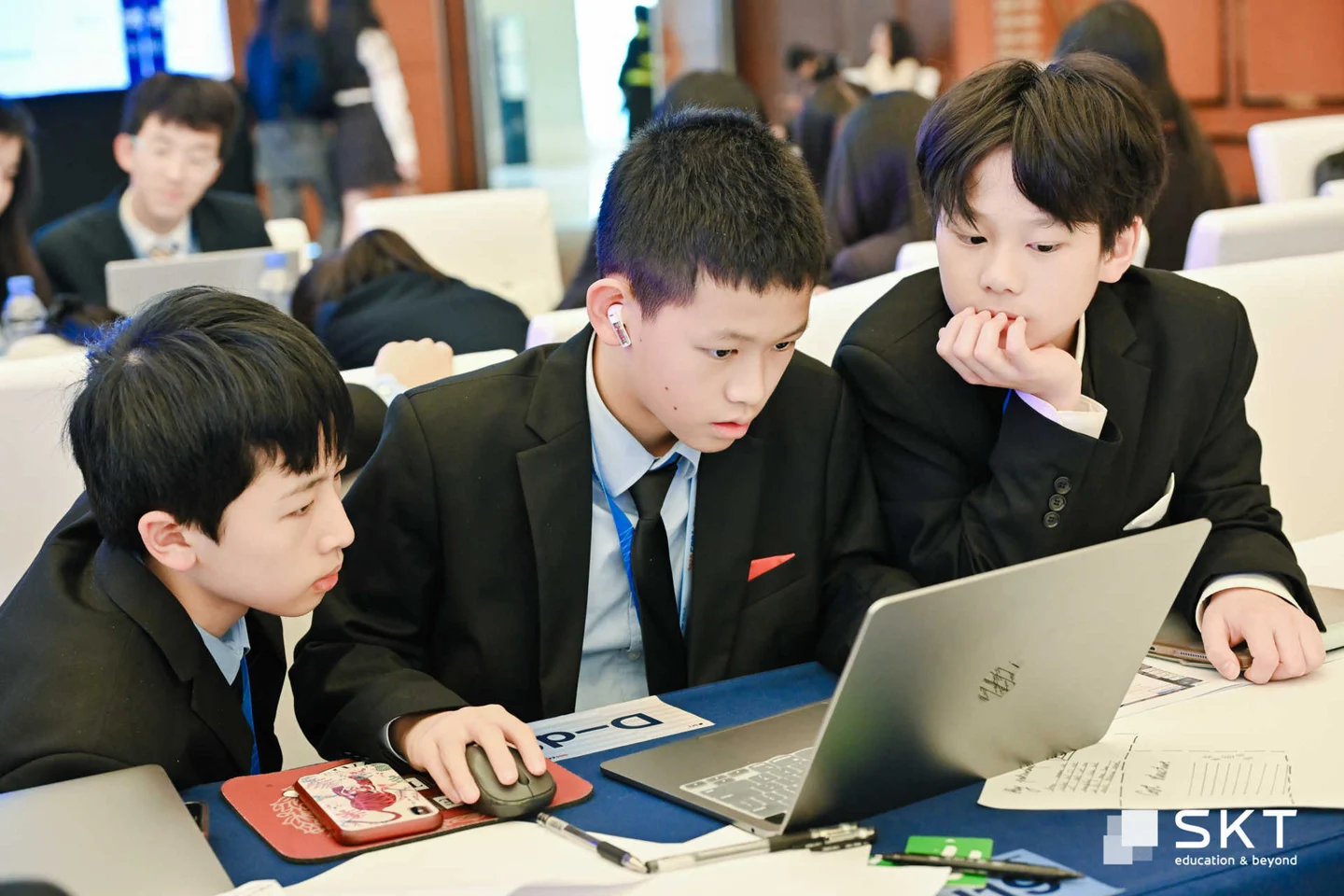
NEC / IEO / SIC · Economic analysis, financial understanding, investment reasoning, company research, data analysis and structured judgement.
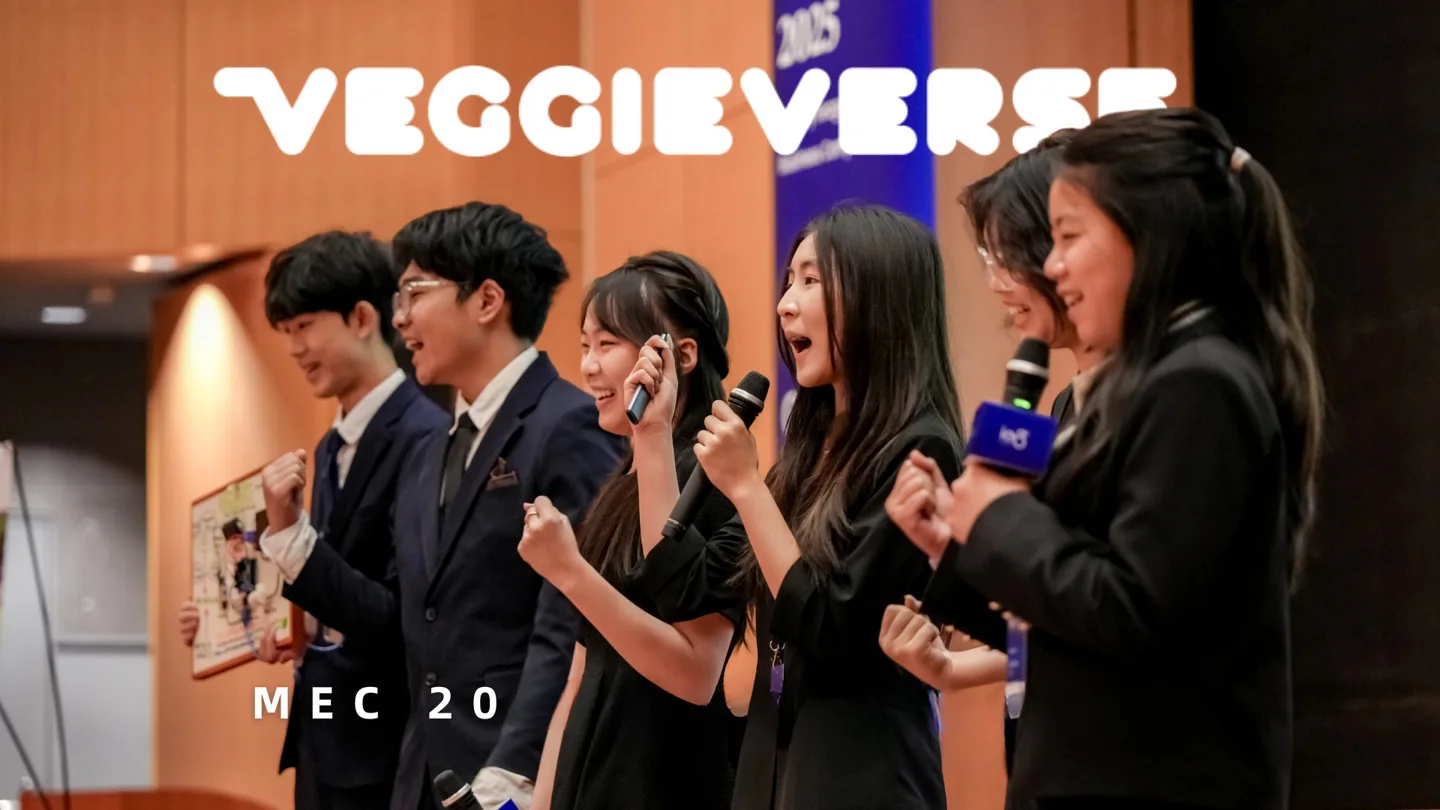
MEC / Diamond Challenge / Conrad Challenge / Hult Future Leaders Challenge · Problem identification, user research, innovation, entrepreneurial thinking, business models, presentations and project development.
Develop judgement, agency and creativity through decisions, collaboration and reflection.
Identifying the underlying problem.
Making choices with incomplete information.
Explaining complex ideas clearly.
Working with different people towards a shared goal.
Recognising the relationships between customers, value, costs, resources and competition.
Taking responsibility for decisions and their consequences.
For international-school students in Grade 6 and above, bilingual business simulations develop business judgement. Students create a virtual brand, observe the results of their decisions and bring their reflections together in an end-of-term presentation.
Weekend campus course · 30 hours
6–10 students · bilingual teaching
6 simulators · brand presentation
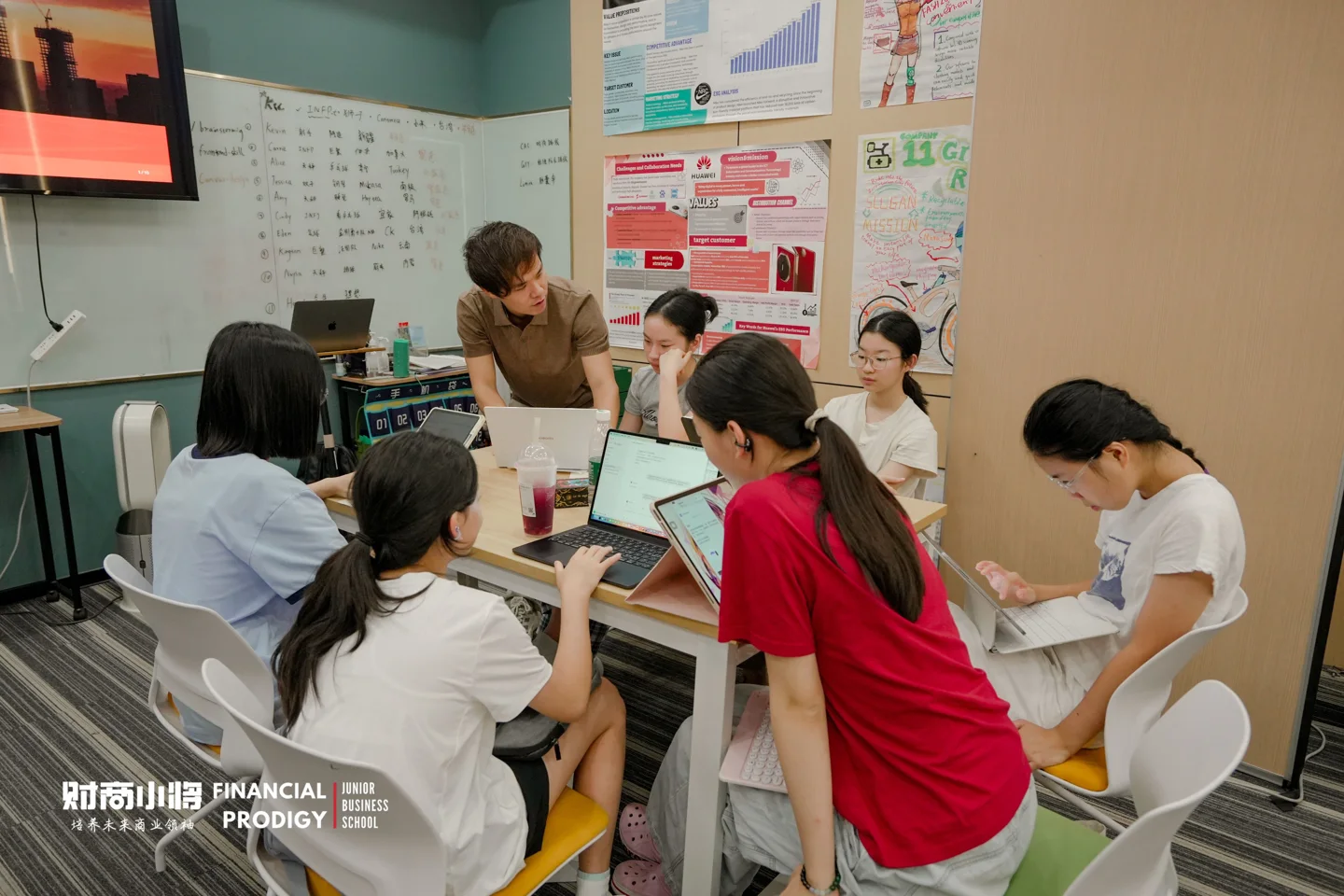
Students make decisions themselves, observe the results and explain what worked and what needs to change. A continuing brand story connects the six simulations into a term of practice.
Here are the tasks and learning opportunities within the course.
Food Truck · Maketto · Clothes.com
Launch a food truck, plan a restaurant menu and decide how much stock an online shop should order. Compare research with an early trial, margins with demand, and excess inventory with the cost of running out.
In practice · Weigh demand, margins and inventory together, and explain an operating decision.
Honey Heritage
In a family-business simulation spanning 80 years and four generations, consider the perspectives of family members, managers and owners. Examine how succession and operating choices affect the next generation.
In practice · Review decisions across generations and weigh immediate interests against long-term continuity.
Cyber Attack! · Negotiator’s Dilemma
Act as a CTO facing a cyberattack: prioritise under a countdown and report to the CEO. Then take part in ten rounds of four-person negotiation, observing how cooperation, competition and trust change outcomes.
In practice · Develop a crisis response and strategy reflection, explaining revisions after new information arrives.
Brand Roadshow
Return to the virtual brand created in the first lesson. Bring together the term’s decisions and reflections, using AI tools to help present the brand work. Rehearse, receive peer and mentor feedback, then present and answer questions.
In practice · Produce a brand presentation and retain the revisions that explain the reasoning behind it.
Families receive a class overview after each lesson, plus individual feedback after each of the first three lessons. Progress feedback follows lessons 4, 9 and 12, covering decisions, collaboration and improvement.
This describes the autumn 2026 weekend campus format. Contact our team about current classes and locations; online and school-based formats have separate arrangements.
Enquire about business simulations →Students new to business, those with prior learning and those considering international competitions do not all need to begin with the same programme.
The next step should reflect the student’s current experience and stage of development.
Find your starting point →