Three categories of international business competitions
Explore ASDAN Business Simulation, BPA and MEC, or NEC and IEO for economics. Compare other events according to interests, experience and readiness.
Conversations at an ASDAN event stand
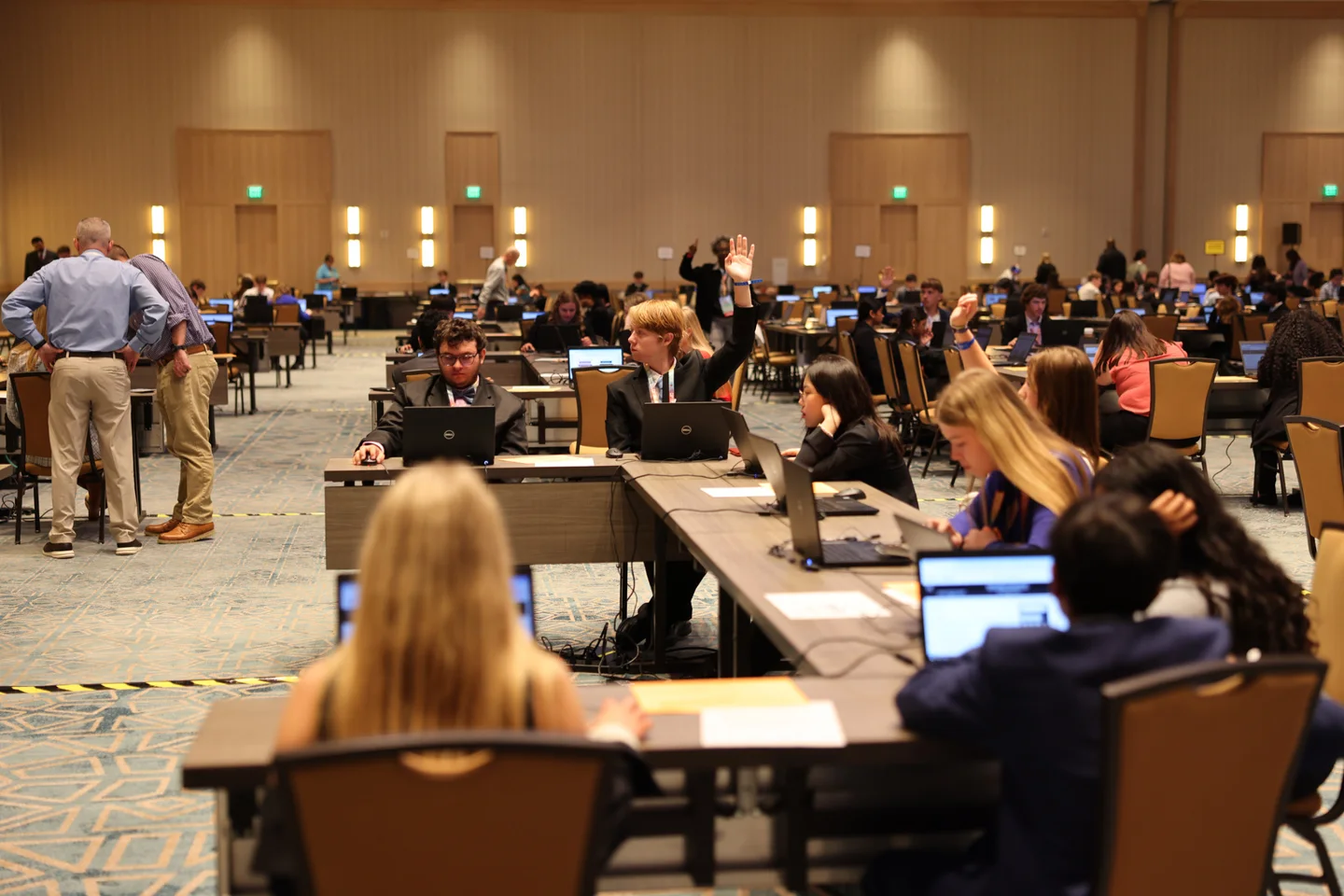
General business competitions
ASDAN Business Simulation / BPA
Apply business management, case analysis and teamwork within a complete business scenario. Students analyse problems, make decisions, communicate their reasoning and work together to respond as the competition develops.
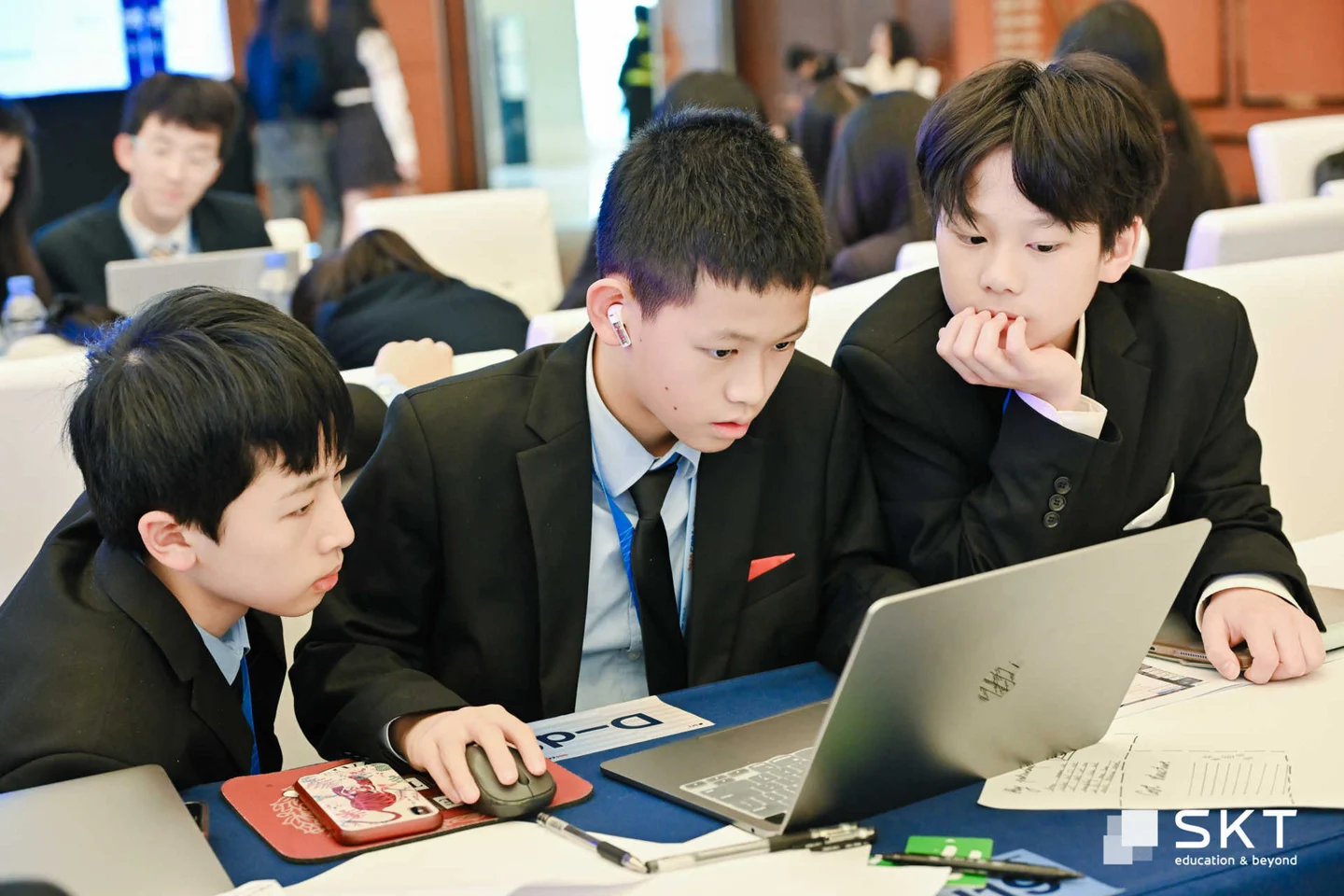
Team research at an SIC event
Economics and finance competitions
NEC / IEO / SIC
Use questions in economics, finance and investment to practise analysing data, understanding companies and markets, and supporting judgements with evidence. Areas of learning include economic analysis, financial understanding, investment reasoning and company research.
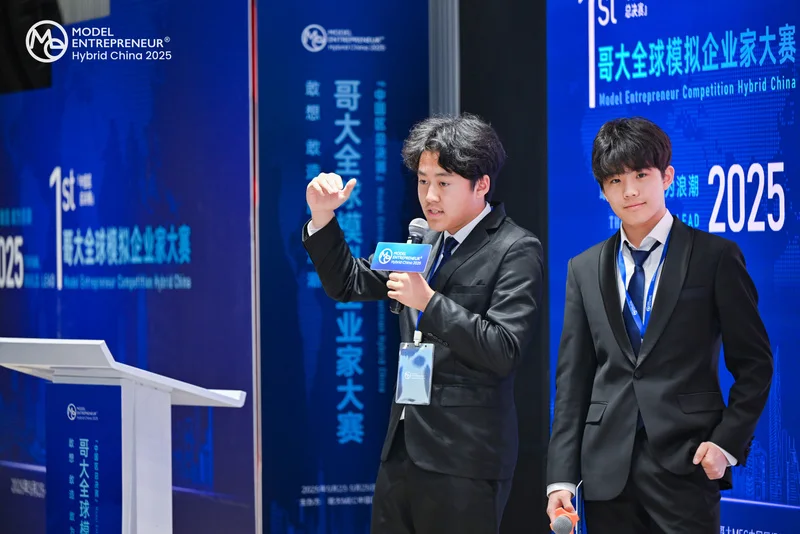
Start by identifying a problem and researching users, then propose a solution, consider its business model and explain its value through a presentation. The focus extends beyond the idea to whether the problem is real and the proposal is supported by evidence.
How should a student choose a competition?
Consider prior experience
First-time participants need to become familiar with the rules, team roles and pace of competition. More experienced students can use their previous performance to identify new challenges and responsibilities.
Follow learning interests
Is the student more interested in business management, economics and finance, or entrepreneurship and innovation? Their interests help identify which categories merit sustained effort.
Identify skills to develop
Review learning and practical experience to identify priorities, whether analysing problems, working with data, communicating ideas or collaborating. Preparation can then focus on specific learning goals.
Consider what comes next
Could a question raised during the competition lead to further research? Could an idea become a project? A competition should also be considered in relation to the learning that may follow.
From competition experience to deeper practical work
As students gain experience, they can progress from learning the rules and completing team tasks to taking on greater responsibility and identifying directions they wish to explore further.
The next step could be a more demanding competition, further user research, a Founder Studio project or sustained individual work. The choice should reflect what the student needs to learn next and which questions they want to investigate more deeply.
ASDAN Business Simulation · decisions and teamwork
Explore changing markets and limited resources through simulations, discuss choices as a team and explain the reasoning behind decisions.
BPA · analysis and communication
Practise analysing business questions, organising proposals and presenting a response in the chosen area, with evidence and a clear structure.
MEC · problem to proposal
Investigate users and markets around an entrepreneurial problem, develop a business model and financial reasoning, and refine a presentation through feedback.