
What does meaningful teamwork look like in a business project?
Meaningful teamwork goes beyond assigning tasks and assembling slides. Members need a shared understanding, evidence-based discussion, connected contributions and an explanation of what changed after feedback.
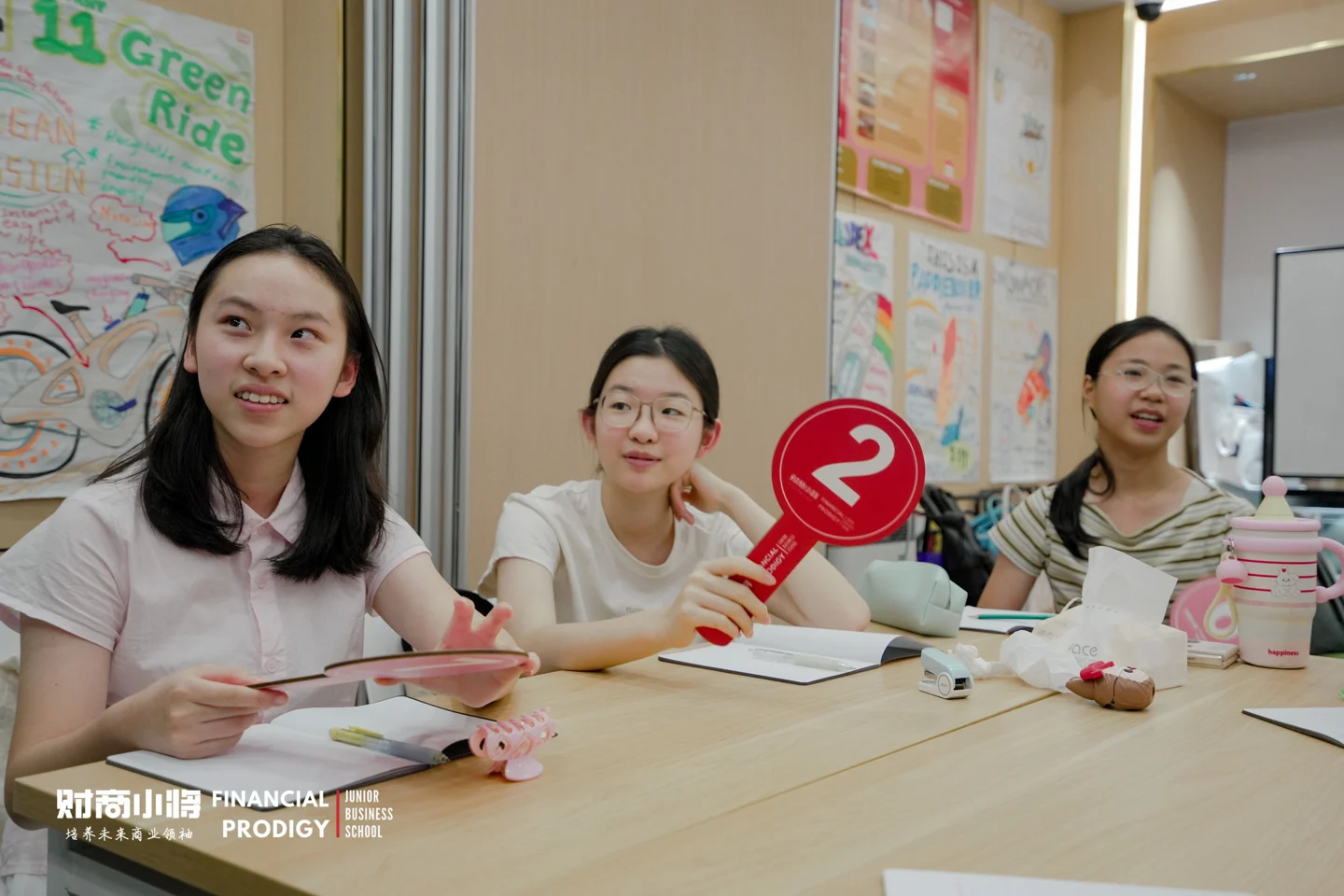
FINGY learning and preparation guidance; confirm rules for the event you enter.
A student’s experience: using AI to explain an idea
Reflecting on the 2025 HFLC FC Barcelona brief, Terrence described using AI-generated video in a presentation to help judges understand football’s impact on people. He also stressed the importance of the team working in the same direction. This is one student’s account of using tools and collaborating on a shared task, not evidence that every participant will make the same progress.
View sources ↓Everyone can explain what the team is solving and why.
Research
Check sources and findings
Analysis
Check figures and reasoning
Presentation
Make the proposal understandable
Revisit the evidence when views differ. Assign revisions after feedback, then review together.
A suggested collaboration exercise for team reflection.
Shared judgement matters as well as divided tasks
Completing a presentation does not mean every member understands the proposal. Ask members to explain the problem, why the team chose its direction and how their work connects to the whole. Linking individual tasks creates a shared understanding. In a project like the one Terrence described, ask what the video should explain and whether it agrees with the research. The following questions are suggestions for reflection.
Make differences discussable
When views on a product, user or presentation differ, explain the evidence behind each view. Compare the needs it addresses and the conditions it may overlook. Business questions often have no single answer; students practise weighing choices and considering their effects elsewhere in the project.
Use feedback to improve together
A prototype or proposal makes discussion concrete: what is unclear, which assumptions need evidence and what needs further research? Record feedback, agree priorities and responsibilities, and review the result. Progress can appear in a new version that is clearer and better supported.
Keep a record of the process
Alongside the final presentation, keep discussions, important decisions, versions and personal reflections. They help students explain their contribution, changing views and collaboration. Awards provide one form of external feedback; developing judgement, initiative and tangible work also deserves to be recorded.
Four questions for reviewing teamwork
FINGY learning guidance
| Look at | Ask |
|---|---|
| Shared understanding | Can everyone explain the same problem, beyond their assigned slides? |
| Disagreement | What evidence was discussed? Did anyone revise a view because of it? |
| Connected work | Do research, figures and presentation support one another? Who checked the connections? |
| Revision | Which feedback led to a change, and was the result checked again? |
What remains for the team after AI produces a video?
Terrence’s account suggests a useful way to review tool-generated work. Identify the point a video supports, check that its images agree with the research and ask whether viewers could misunderstand it. Then ask a member who did not make it why it belongs in the proposal. Use these questions to reflect on your own team’s work. The same approach applies to charts, posters and prototypes: a finished object does not establish shared understanding.
How can a team avoid one person doing most of the work?
Define concrete outputs, owners and shared review times. When work stalls, check task clarity and support before reallocating it. Ask each member to explain their contribution and how it supports the whole proposal.
Sources
- FINGY HFLC Preparation Guide, 2026 edition, p. 12: Terrence’s reflection on the 2025 season.
Read next
What is the Hult Future Leaders Challenge?
An introduction to HFLC, its real-client work and the published conditions for the 2026 season.
Read article →Preparing for a first business competition
Break unfamiliar work into understanding the task, sharing responsibilities, developing a proposal and practising communication.
Read article →How can business competitions contribute to university applications?
A competition can help explain interests, commitment and contribution. Relevance depends on the work and each university’s approach.
Read article →