
What is the Hult Future Leaders Challenge?
Here, Hult means the Hult Future Leaders Challenge (HFLC), where high-school teams respond to a company challenge. Preparation centres on understanding the brief, researching users and explaining a proposal with evidence. See the current-season context and official source below.
HFLC 2026 global programme; registration checked October 10, 2026.
Respond to a client problem
Hult International Business School runs HFLC for high school teams. LEGO is the 2026 client; FC Barcelona and D&G materials belong to previous seasons. Check the name, year and brief when reading a case. This article concerns HFLC specifically, rather than every Hult programme.
View sources ↓Who can enter in 2026?
The official page specifies students aged 15–18, teams of four to six, and a school teacher or counselor as team leader. A student cannot fill that role. Official registration and participation are free; separately chosen coaching services should be checked independently.
Is registration open?
As of October 10, 2026, registration is closed. The deadline was September 25 and the 11-week challenge launched September 30. Registered teams should follow official communications. Families considering a later programme can follow updates and develop research and collaboration skills.
Practise understanding the task
FINGY suggests explaining the client’s problem, intended users, necessary evidence and reasons for the solution. Use a familiar consumer situation for a short proposal and peer questions. This is practice guidance, not an answer to the 2026 brief. Past entries are examples to learn from, not templates to copy.
What should a team explain after reading the brief?
FINGY learning guidance
| Question | What to record |
|---|---|
| What does the company want to change? | Separate the goal, constraints and submission requirements. |
| Who is the proposal for? | Describe the user’s situation and distinguish observations from assumptions. |
| Why might it work? | Connect evidence to design choices and identify what remains untested. |
| Does the team share an understanding? | Ask each member to explain the problem, choices and their own contribution. |
How to learn from an earlier project
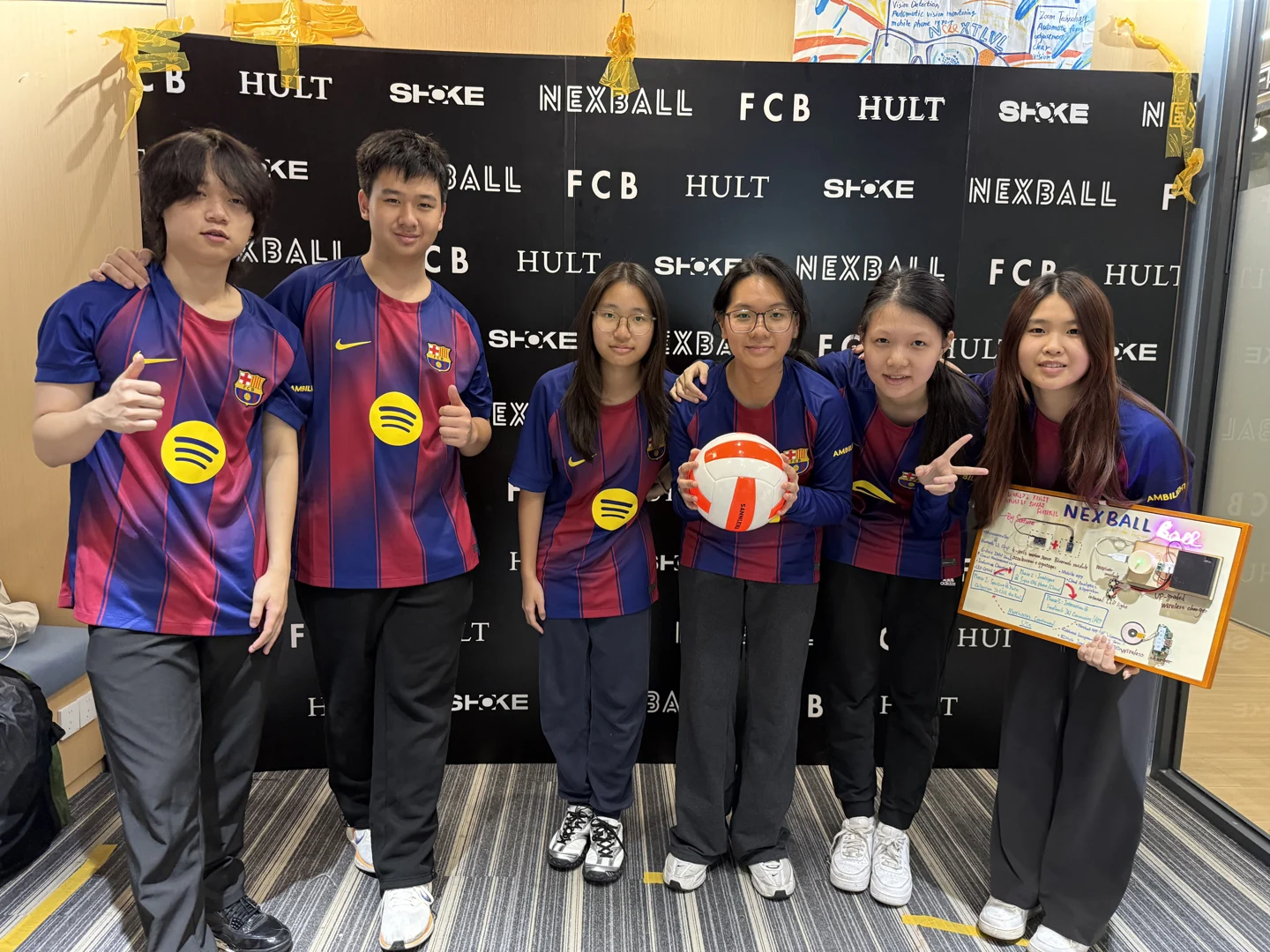
When looking at an earlier proposal such as NEXBALL, examine how it connects a product idea, prototype and costs. Ask which conclusions are supported and which remain assumptions. Do not copy the product or reuse an old brief. Methods may transfer while the company, users and constraints change. Keeping a rejected idea and the reason it was dropped also makes reflection more informative than retaining only the final presentation.
Explore the NEXBALL student work →Does joining a preparation course register the team?
No. Official registration, the school team leader and team conditions must be checked independently against the season’s HFLC requirements. Optional preparation support does not replace those steps.
Sources
Read next
What does meaningful teamwork look like in a business project?
Look beyond divided tasks to how students explain choices, work through differences and improve their work together.
Read article →Preparing for a first business competition
Break unfamiliar work into understanding the task, sharing responsibilities, developing a proposal and practising communication.
Read article →How can business competitions contribute to university applications?
A competition can help explain interests, commitment and contribution. Relevance depends on the work and each university’s approach.
Read article →